














Prices on this page were verified in February 2026. Rates may change — check our pricing page for the latest.
Choosing where to stay in London can feel overwhelming. The city stretches across six TfL travel zones, each with a different character, commute time, and price point. For homestay students, the area you stay in affects how long it takes to reach your school, what you pay each week, and what kind of neighbourhood you’ll be living in.
This guide covers the zones and areas where London Homestays places students, with honest detail on commute times, local character, and what each area is like to live in. All homes are in residential areas with good transport links. You won’t be placed somewhere remote. For the wider picture on what a homestay placement includes, see our homestay for students page.
How London zones work
London’s transport system is divided into six concentric zones. Zone 1 is the centre (Westminster, the City, Soho). Zone 6 is the outer edge. Most language schools and universities are in zones 1–2. Most homestay families are in zones 2–4, where residential areas are quieter and rooms are more affordable.
London Homestays groups its host families into three categories based on zone:
- Executive (Zone 1/2) — from £280/week. Rare. Very central. Short commutes but limited availability.
- Superior (Zone 2/3) — from £245/week. Well-connected areas, 20–35 minute commutes to central London.
- Standard (Zone 3+) — from £205/week. The most common category. Good residential areas, 30–50 minute commutes.
Full pricing breakdown: How much does a London homestay cost in 2026?
South London

South London is where the majority of London Homestays’ host families are based. The area south of the Thames has a strong residential character, good bus and train connections, and some of the best value homestays in the city.
Balham, Streatham and Tooting
One of the most popular homestay areas. Balham and Tooting are on the Northern Line (Zone 3), with direct Tube access to central London in about 25 minutes. Streatham is well-served by buses and trains.
The area has a lively high street culture — Tooting is known for its food (curry houses, international restaurants, Tooting Market), while Balham has a more suburban feel with independent shops and cafes. Streatham Common and Tooting Bec Common provide green space.
Commute: Northern Line to central London in 20–30 minutes. Buses to Brixton, Clapham, and the West End.
Full Balham, Streatham and Tooting guide
Brixton and Clapham
Zone 2, making these among the closest homestay areas to central London. Brixton is a 15-minute Victoria Line ride from Oxford Circus. Clapham has two Tube stations (Northern Line) and Clapham Junction, one of the busiest rail stations in Europe.
Brixton has a strong cultural identity: Brixton Market, live music venues, and good restaurants. Clapham is quieter and more residential, with Clapham Common for running and weekend activities.
Commute: Victoria Line from Brixton to Oxford Circus in 15 minutes. Northern Line from Clapham South to the City in 20 minutes.
Full Brixton and Clapham guide
Earlsfield, Southfields and Wimbledon
Residential and leafy, on the District Line (Wimbledon, Southfields) and National Rail (Earlsfield). Wimbledon is the largest town centre in this group, with shops, a cinema, and the famous tennis championships in summer.
Earlsfield is a quieter, more residential stop between Wimbledon and Clapham Junction. Southfields is next to Wimbledon Park. It’s green, family-oriented, and calm.
Commute: District Line from Wimbledon to Westminster in 35 minutes. National Rail from Earlsfield to Waterloo in 15 minutes.
Full Earlsfield, Southfields and Wimbledon guide
Kingston
Further out in Zone 6, Kingston is a large town centre on the Thames with good shopping (Bentall Centre, John Lewis), riverside walks, and a relaxed pace. It’s popular with students at Kingston University.
Transport is rail-based — trains to Waterloo take about 30 minutes. No Tube, but good bus connections. Kingston feels less like London and more like a commuter town, which some students prefer.
Commute: National Rail to Waterloo in 25–35 minutes.
West London

Shepherd’s Bush, Chiswick and Ealing
Three distinct areas along the Central and District Lines in zones 2–3. Shepherd’s Bush is the most central (Zone 2), home to Westfield shopping centre and close to Hammersmith. Chiswick is residential and upmarket, with a village-like high street. Ealing (Zone 3) is known as “the Queen of the suburbs” for its green spaces and period architecture.
All three have good transport: Central Line from Shepherd’s Bush to Oxford Circus in 15 minutes, District Line from Chiswick, and Central/District/Elizabeth Lines from Ealing Broadway.
Commute: 15–30 minutes to central London depending on which area.
Full Shepherd’s Bush, Chiswick and Ealing guide
North-west London
Queen’s Park and Kilburn
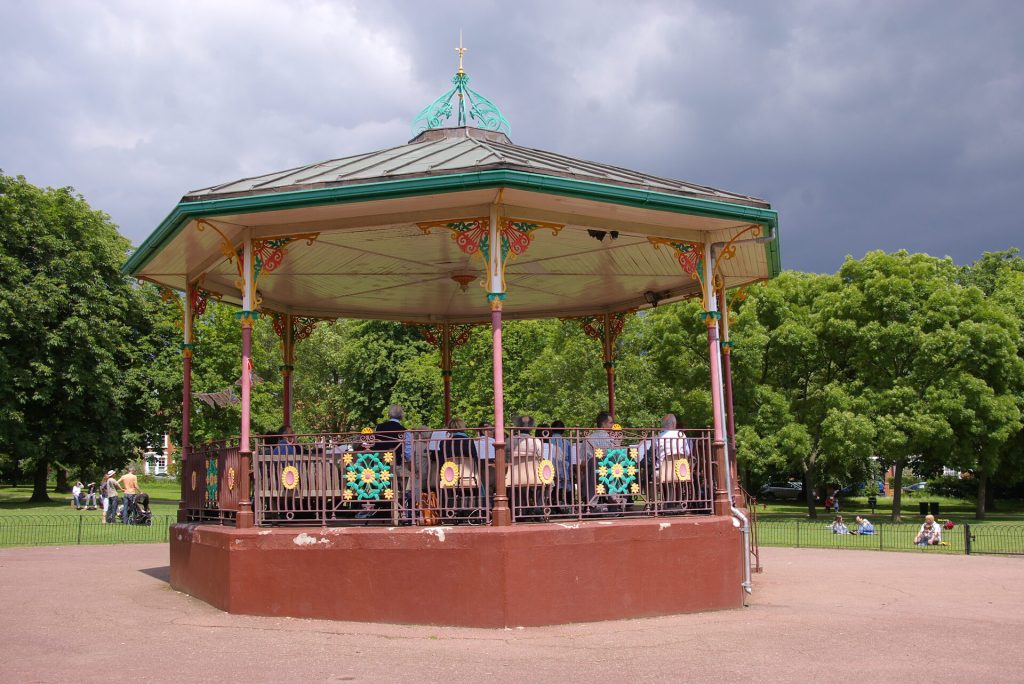
Zone 2, with the Bakerloo Line (Queen’s Park) and Jubilee Line (Kilburn). These are among the closest homestay areas to central London from the north-west. Queen’s Park has a village feel with a popular park, independent shops, and a farmers’ market. Kilburn is more urban with a busy high road.
Commute: Bakerloo Line from Queen’s Park to Paddington in 10 minutes, Baker Street in 15. Jubilee Line from Kilburn to Bond Street in 10 minutes.
Full Queen’s Park and Kilburn guide
Wembley
Zone 4, with Metropolitan Line and Jubilee Line access. Wembley is most famous for its stadium, but the residential areas around it are quiet and well-connected. The recently developed area around Wembley Park has new restaurants, a cinema, and a designer outlet.
Commute: Metropolitan Line from Wembley Park to Baker Street in 15 minutes. Jubilee Line to Bond Street in 20 minutes.
North London

Barnet and Southgate
Zone 4/5, at the northern end of the Piccadilly Line (Southgate) and Northern Line (High Barnet). These are suburban, leafy areas with good schools and a quiet residential character. Southgate station itself is an architectural landmark (Art Deco, Grade II listed).
Commute: Piccadilly Line from Southgate to King’s Cross in 30 minutes. Northern Line from High Barnet to the City in 40 minutes.
Full Barnet and Southgate guide
Enfield and Tottenham
North-east areas in zones 3–5. Tottenham is closer in (Zone 3), with a Victoria Line connection from Seven Sisters that reaches Oxford Circus in under 15 minutes. Enfield is further out (Zone 5/6) with a more suburban feel and National Rail connections.
Tottenham has had a lot of new development in recent years and has some of London’s most affordable accommodation. Enfield is quieter, greener, and well-suited to students who prefer a calmer environment.
Commute: Victoria Line from Seven Sisters (Tottenham) to Oxford Circus in 14 minutes. National Rail from Enfield to Liverpool Street in 30 minutes.
Full Enfield and Tottenham guide
Wood Green and Bounds Green
Zone 3, on the Piccadilly Line. Wood Green has a large shopping centre (The Mall) and a busy high street. Bounds Green is quieter and more residential, next to the green spaces of Broomfield Park.
Commute: Piccadilly Line from Wood Green to King’s Cross in 20 minutes, Piccadilly Circus in 25 minutes.
Full Wood Green and Bounds Green guide
East London

Stratford
Zone 3, but one of the best-connected areas in London thanks to the 2012 Olympic development. Stratford has the Jubilee Line, Central Line, DLR, Overground, and Elizabeth Line (Crossrail) — all from one station. Westfield Stratford City is next door for shopping.
The area has changed significantly since the Olympics. Queen Elizabeth Olympic Park is a large open space with the London Stadium, the Aquatics Centre, and cycling paths. The residential streets around Stratford are typical east London — Victorian terraces mixed with newer builds.
Commute: Jubilee Line from Stratford to Bond Street in 25 minutes. Central Line to Oxford Circus in 18 minutes. Elizabeth Line to Paddington in 18 minutes.
Ilford and Gants Hill
Zone 4, on the Elizabeth Line (Ilford) and Central Line (Gants Hill). These are residential areas in the London Borough of Redbridge, with a diverse population and good-value accommodation. Ilford has been transformed by the Elizabeth Line, which now connects it directly to central London and Heathrow.
Commute: Elizabeth Line from Ilford to Liverpool Street in 15 minutes, Paddington in 30. Central Line from Gants Hill to Oxford Circus in 25 minutes.
Full Ilford and Gants Hill guide
Choosing the right area for you
The best area depends on where you’re studying and what kind of neighbourhood you prefer. Here are some rules of thumb:
- If your school is in central London (zones 1–2) — most areas work well. The Northern, Victoria, and Piccadilly Lines are the fastest routes in from the south and north. Shepherd’s Bush and Queen’s Park are strong options from the west.
- If you’re at a university outside zone 1 — check which Tube line serves both your accommodation area and your campus. London Homestays matches students to hosts partly based on commute time.
- If you prefer a quiet residential area — Barnet, Southgate, Earlsfield, and Kingston are the calmest.
- If you want to be close to the action — Brixton, Shepherd’s Bush, and Stratford are the most urban and lively.
- If budget is the main concern — Standard category homes (Zone 3+) offer the best value at £205–£250/week.
When you book with London Homestays, the team considers your school location and transport preferences when matching you with a host family. You won’t be placed somewhere with an impractical commute. For a full overview of all areas, visit our London location guides hub. Once you know which area suits you, you can apply for a homestay online.
“Despite the locations I’m going to commute daily are about 22 km apart, London Homestays managed to get a homestay for me which I could reach my classes easily by public transport. I really enjoy my stay with my host and her family.”
Joanne, Malaysia ★★★★★
Frequently asked questions
Can I choose which area I stay in?
You can state a preference, and London Homestays will try to match you with a host in or near that area. The main factor is commute time to your school — the team will prioritise practical transport links.
How long is the commute to central London?
Most homestay areas are 20–40 minutes from central London by Tube or train. The closest areas (Brixton, Shepherd’s Bush, Queen’s Park) are 10–20 minutes. The furthest (Kingston, Barnet, Enfield) are 35–50 minutes.
Is it cheaper to live further out?
Yes. Standard category homes (Zone 3+) start at £205/week, compared to £245/week for Superior (Zone 2/3) and £280/week for Executive (Zone 1/2). Transport costs are slightly higher in outer zones, but the weekly savings on accommodation usually outweigh the extra fare.
Are all areas safe?
All host homes are inspected by London Homestays and must meet British Council quality standards. The team places students in residential neighbourhoods with good transport links. London has the same safety considerations as any large city — see our safety page for practical advice.
What if I want to change area during my stay?
It’s possible to move to a different host family during your stay, subject to availability. Speak to London Homestays and they’ll try to find an alternative that better suits your needs.


