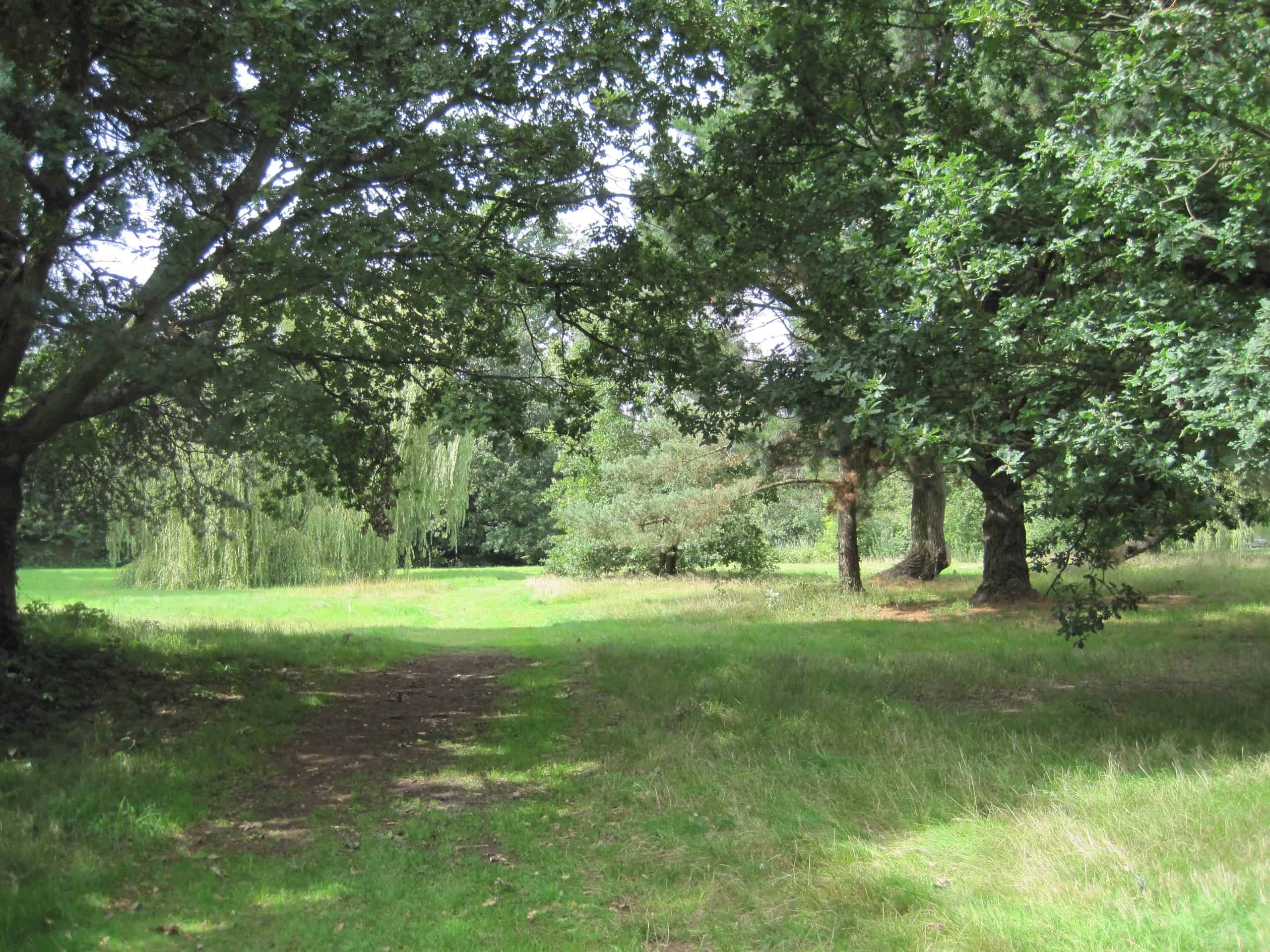
Barnet and Southgate are established residential areas in North London. They suit students who want a calmer neighbourhood feel, good green space, and straightforward links into central London via the Northern or Piccadilly lines.
Typical zones: Barnet (often Zone 5), Southgate (often Zone 4). Your exact zone depends on your address and nearest station — we’ll confirm this in your quote, as it affects travel costs.
Main stations: High Barnet / New Barnet (Barnet), Southgate (Southgate).
Typical commute feel: Residential areas with direct Tube links; journeys are longer than inner London but predictable.
Best for: Students who prefer quieter evenings, more space, and good value compared with many Zone 1–2 locations.
Transport and travel times (guide only)
Station-to-station examples (off‑peak, train/tube time only):
High Barnet → King’s Cross St Pancras: around 30–35 minutes (Northern line).
High Barnet → Bank: around 35–45 minutes (Northern line).
Southgate → King’s Cross St Pancras: around 25–30 minutes (Piccadilly line).
Southgate → Leicester Square: around 30–35 minutes (Piccadilly line).
Times vary by exact route, service and time of day. Peak periods can add time, especially on busy central sections of the network.
Food and day-to-day living
Both areas have practical high streets with supermarkets, pharmacies and everyday services, plus a good mix of cafés and places to eat.
Barnet: local cafés, pubs and restaurants around High Barnet and New Barnet, with a mix of cuisines (for example Indian, Italian and Middle Eastern/Turkish options), plus regular supermarkets and everyday shopping.
Southgate: restaurants and cafés around the station and nearby shopping parades, often including Mediterranean and South Asian options, with easy links to wider North London for more choice.
Local highlights
Trent Park – large green space for walks, running and outdoor time.
Grovelands Park – lakeside park for walks and picnics.
Barnet Market – traditional market with food and local stalls (typically mid‑week and Saturdays).
Hadley Green / High Barnet high street – village‑feel streets with independent shops, cafés and local pubs.
Alexandra Palace (nearby) – events, live music, exhibitions, ice skating and panoramic views across London.
Local character and safety
Barnet and Southgate are primarily residential, with a mix of families, professionals and students. Town centres can be busier at school and commuter times, while nearby residential streets are generally calmer.
Like any part of a large city, follow normal safety precautions:
Keep valuables secure, especially on public transport.
Stick to well‑lit main roads if walking at night.
Be aware of your surroundings in busy areas such as stations and high streets.
Who this area tends to suit
Students who prefer a quieter, more residential feel (especially in the evenings).
Students who value green space and a local neighbourhood atmosphere.
Students commuting to locations with strong Northern/Piccadilly line access (for example King’s Cross, the West End, or the City).
Budget‑conscious students who are happy with a longer commute in exchange for better value than many central areas.
Property prices (guide only)
Property prices in this part of North London are generally above the England average, but can offer better value than many Zone 1–2 locations.
Apartments (flats): often in the £350,000–£600,000 range.
Family homes (houses): often in the £650,000–£1,000,000+ range.
As a broad guide, these levels are well above the England average property value. Prices vary significantly by exact street, property type and condition.
Things to consider
Travel costs: Zone 4–5 travel can cost more than Zones 1–2 if you travel frequently.
Commute time: journeys into central London are usually longer than inner-zone areas—factor this into your daily routine.
Nightlife: these areas are more residential; for bigger nights out, most students travel into central London.
FAQs
Is this area a good fit for students?
Yes—especially if you want a calmer residential base, good green space, and reliable Tube links into central London.
Can you place me somewhere quieter within the area?
Yes — often. If you prefer quieter streets, tell us in your application and we’ll advise on locations that tend to feel more residential.
How long is the commute to central London?
It depends on your nearest station and destination. The examples above give a station‑to‑station baseline; peak times and route changes can add time.
Homestay accommodation in Barnet and Southgate
We place students with host families in Barnet and Southgate. All homes are inspected in person before any booking.
These are Zone 4–5 areas, so homestays here are in our Standard category — the most affordable option. Homes tend to be larger than what you would find closer to the centre, often with gardens and quieter streets.
Your placement includes:
A host family in an inspected home (vetted through home visits and reference checks)
Your own room with Wi-Fi, bed linen and towels
A meal plan of your choice: self-catering, bed and breakfast, or half board
Office support during your stay and an out-of-hours emergency contact
Southgate is on the Piccadilly line, which takes you directly to King’s Cross and Holborn. The trade-off is a longer commute — roughly 35–40 minutes into central London — but you get more space and a calmer setting in return. Hosts here are typically families who have lived in the area for a long time.
“We have been working with London Homestays since 2011. With their support, we have managed to achieve a high level of customer satisfaction. We strongly recommend London Homestays to anyone who’s looking for quality, reliability and exceptional customer service.”
Alex Fernandes, Accommodation & Visa Compliance Manager, Malvern House London
“Having worked with them since 2013, I can state that London Homestays have always taken care to match our students with suitable host families. They have a very friendly yet professional approach to their work. Our students have enjoyed staying at their homestays. Overall, students say that their host families are attentive and welcoming.”
Carl Roberton, Principal, Stafford House School of English
“We at Burlington School have worked with London Homestays since 2014, and I professionally know the team since 2009 when I worked for another company in the education and accommodation industry. Having had the opportunity to work with London Homestays since the company started operations in London, all of the enquiries have been dealt with in a dedicated and timely manner, the team members are customer-oriented and always provide an exceptional accommodation experience to our students. I have no hesitation to recommend London Homestays as excellent accommodation providers and business partners.”
Eliane Tomasi, Accommodation & Welfare Officer, Burlington School
“Cooperation with London Homestays is always great! We highly appreciate proactive approach and effort to ensure the best possible services for our groups. We always had a great clean accommodation, friendly family and smart local organisers. Students of our groups were satisfied and they enjoyed staying in London very much. We would like to recommend this agency. The whole team is very kind.”
Miroslava Foltýnová, Owner, CK Bus Tours.
“We offer internships in London to European students and looked for a reliable partner to provide accommodation to our candidates. We have been very happy with the services provided by London Homestays, as have our candidates, as they have always received quickly information on families, the possibility to book a room in a short delay and also a good quality of families. I would recommend without any doubt this agency. The team is very professional, efficient and friendly :). We hope to send new trainees soon!”
Stéphanie Frassanito, Program Manager, Work Overseas
“Our school from the Czech Republic has had great experiences with London Homestays. The host families were generally welcoming, kind, and accommodating. The service provided by the coordinator Kate O’Connor and other admin staff is second to none.”
Kate Powers, Vice Principal for English Studies, Sunny Canadian International School
It was an amazing experience, I’ve found a new home where I feel as comfortable as I do in my own home!
Laura, student from France: Homestay booking in Zone 2
“When my children went off to university and got married, my husband and I were empty nesters rattling around. We have an empty bedroom and I quite enjoy keeping it fresh for new students who come to stay with us both short and long term. Invariably, they show us a lot of respect. Coming to London to study or to work as interns is a big adventure for them and I enjoy settling them in and seeing them flourish. Some return or recommend to their friends to come and stay with us. London Homestays are a great organisation to deal with – good at communicating and highly ethical.”
Cathy, Homestay host in Colindale, London
“My first student has just left to return home and I have thoroughly enjoyed hosting her. It has been a lovely experience for me to help her with her English and learn about her Japanese culture.
I was nervous and apprehensive at first but it was so worthwhile and I look forward to continue hosting in the future. It has given me a boost knowing that I can give someone an opportunity that they may not have been able to afford without using London Homestays”
Audrey, Homestay host in Tooting, London
My homestay host Debra transformed my stay into the most amazing experience of my whole life!
Florian, student from Belgium: Homestay booking in Zone 3
“London Homestays has been an excellent accommodation partner for our students. The team is always helpful, responsive and highly professional. They consistently match students with the right hosts based on individual requirements, ensuring a positive and comfortable homestay experience.”
Ellie Fordham, Student Services Manager, Stafford House
My homestay host is a lovely lady, she was very helpful and genuine. London Homestays offer an excellent, fast service and quality accommodation. I would definitely recommend to my friends!
Shelaine, student from Canada: Homestay booking in Zone 2
Daphne was a really nice and welcoming host, I really enjoyed my stay with her and her family. Thank you London Homestays for connecting me with her!
Ben, researcher from USA: Superior homestay booking
My stay with my host family makes my time at UK much more fun and exciting! Life is happening!
Bao, student from China: Homestay booking in Zone 4+
“Really, we are very happy with our room at the residence. James in the residences team has helped us with all aspects of our booking and we would like to say, big thank you from the bottom of our hearts!”
Dmitriy and Maria, two students from Russia: Residence booking
“I felt completely at ease and very comfortable with my host! She was really kind…many thanks!”
Doris, student from Italy: Superior homestay in Zone 2
“Shanghai Chelsea International Consulting (SCIC) has worked with Home from Home many times and they have provided a very professional service.”
Chan Sen, Director at Shanghai Chelsea International Consulting
“I highly recommend London Homestays! We have been working with them for a while now, and their professionalism and the quality of their homestays have always been exceptional. One of the homestays we collaborated with was so impressive that we even shared it on our YouTube channel to give our students a glimpse of the warm and welcoming environment they can expect. Thank you, London Homestays, for providing such amazing services. We look forward to continuing our partnership!”
Tuba Akca, Owner at Tubik Academy
The London Homestays portal is amazing. You can manage availability, update photos, and see when you’ve been paid — something I’m always chasing the other agencies. Can’t recommend it highly enough!
Sharon, host in Finchley
Our Partners & Accreditations
We use cookies to improve your experience and analyse site traffic. Cookie Policy