

Every year, we speak to students who booked London accommodation from abroad and only realised too late that the headline price, contract length or commute did not suit them. Sometimes it is a 39-week contract signed before they understood what that really meant. Sometimes it is a house share that looked fine in photos and turned out to be very different in reality. It is a pattern we have seen since 2009, and in many cases it could have been avoided with better information at the start.
This guide covers the main options, explains who each suits honestly, and flags the things most accommodation guides leave out.
The options at a glance
Halls and residences are easiest socially but usually expensive and tied to long contracts. House shares are cheaper on paper but genuinely difficult to navigate from abroad. Hostels work for a few nights and nothing more. Homestay is often the easiest first step for students new to London: flexible, with bills included, and with more support than the other options.
More detail on each below.
What international students most often get wrong
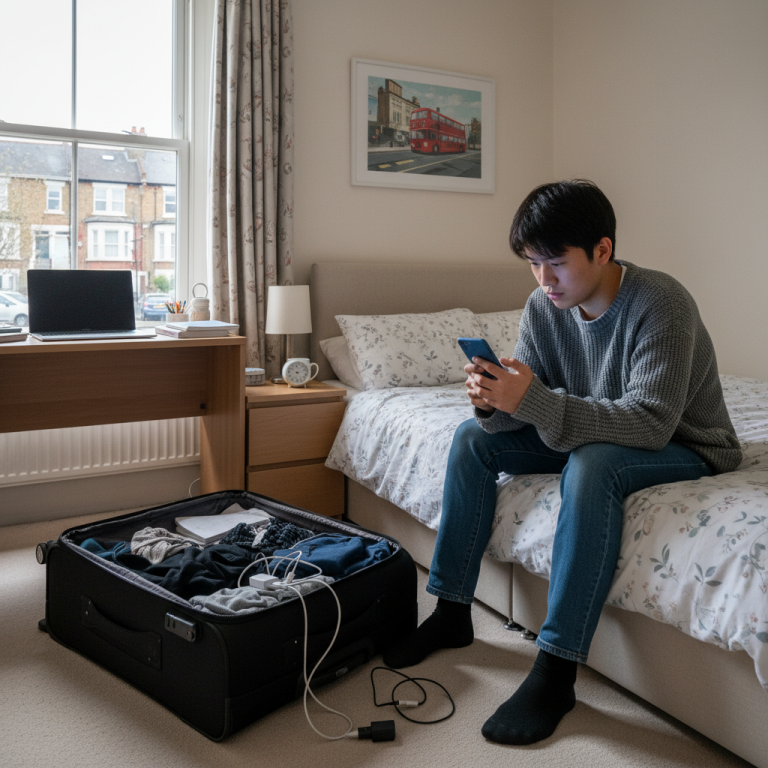
The first mistake is signing too early. Most halls and purpose-built residences require a contract of 39 to 51 weeks before you have arrived. Students focus on the weekly rate rather than the total commitment. If your course is six months, or if your plans might change, that is a significant obligation to sign from a desk in another country.
The second is booking private rentals without viewing. The London rental market moves fast. Most decent rooms go within 24 to 48 hours of listing. If you are booking from Tokyo or São Paulo, you are competing with people who can view in person the same day. Students who commit to photos alone often arrive to find the reality looks quite different from the listing. For the risks involved, see our guide to avoiding accommodation scams in London.
The third is ignoring food costs. Halls and house shares rarely include meals. A student moving from a homestay half board arrangement to a house share adds roughly £90 per week in food costs, which changes the all-in weekly comparison considerably. For a full breakdown, see our student accommodation costs in London in 2026.
The main options
University halls and purpose-built residences
University halls and purpose-built residences offer a ready-made social environment, bills usually included, and someone to call when things go wrong. Weekly rates in central London typically run £300 to £400 or more. Most require 39 to 51-week contracts. Good for first-year undergraduates who want the halls experience and have the budget. Difficult to exit early if circumstances change.
Private house shares
Private house shares are usually the cheapest option per week. According to SpareRoom’s Q4 2025 Rental Index, average London room rent is around £985 per month, or roughly £227 per week, typically with bills included. You will also need to budget for a deposit and handle the usual admin that comes with private renting. It works best for students who know London, can view rooms in person, and are committing to a longer stay. From abroad, it is much harder to get right.
Hostels
Hostels are fine for your first few days. Dormitory beds run £15 to £60 per night, which makes them more expensive than almost any other option for anything longer, with none of the stability.
Homestay
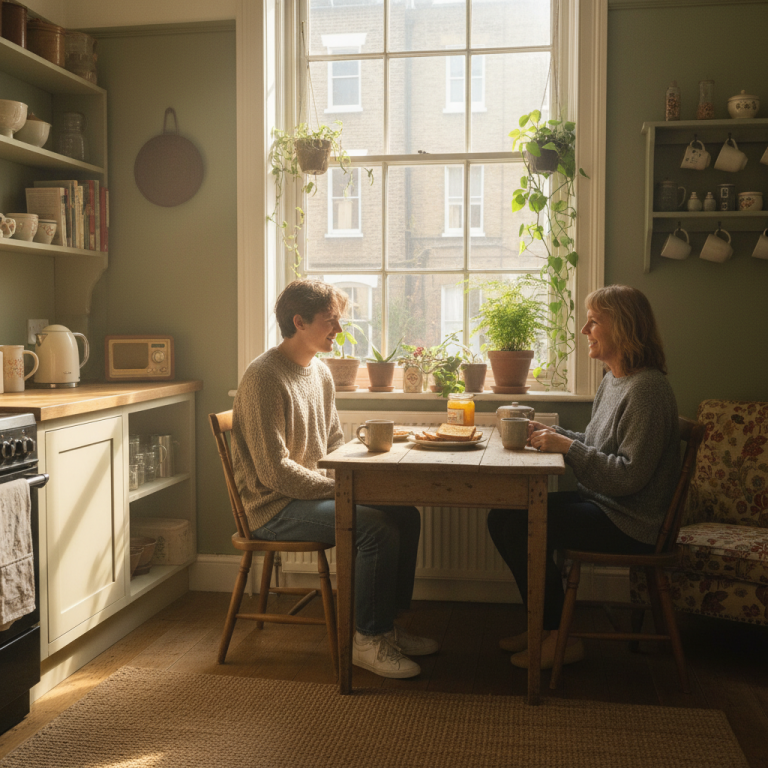
Homestay means a private room in a London host’s home, with bills, Wi-Fi, linen and laundry included as standard. Most students choose half board, which adds breakfast and dinner every day. London Homestays’ 2026 rates start from £205 per week for a Standard Zone 3+ placement on bed and breakfast, rising to £325 per week for an Executive Zone 1/2 half board placement. There is no long contract to sign before you arrive, no five-week deposit, and no complicated logistics to manage from abroad. Homestay suits many students very well, but it is still shared-home living rather than total independence.
For full detail on rates and what is included, see our accommodation prices page and what is included in a London homestay.
Who each option suits
Halls and purpose-built residences suit students who want to live in a building full of other students from day one, are staying for a full academic year, and have a budget that works at £300 or more per week without meals. First-year undergraduates with a guaranteed halls place should generally take it if the price and location work.
House shares suit students who know London, have time to search and view before arriving, are comfortable managing bills and admin, and are planning a stay of six months or more. Students who do a first term in homestay, learn the city and its areas, and then move into a house share tend to have much better experiences than those who jump straight in from abroad.
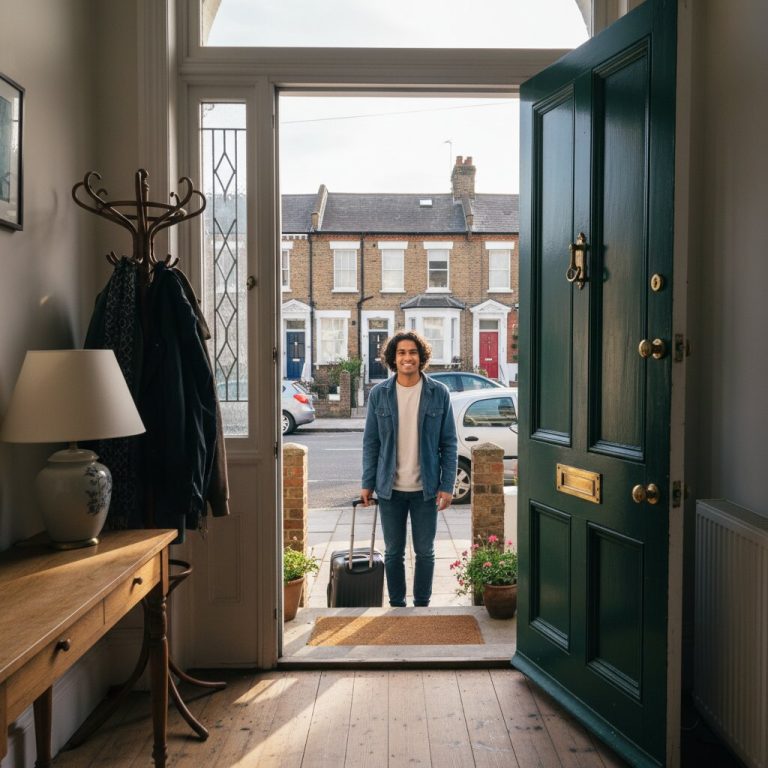
Homestay suits students arriving in London for the first time, coming for a shorter stay, or wanting bills and meals sorted so they can focus on studying. It also works well for students who are nervous about booking privately from abroad, because the risk profile is different when you are using an assessed, British Council-registered agency rather than a listing platform that takes no responsibility if something goes wrong.
“I was really happy that my host mum and her children helped me feel welcome and at home in London. I cannot imagine a better host family for me, the location is great as well, and I believe every stay, whether long- or short-term, would be well-spent there. The booking through London Homestays was accessible and I got fast feedback. When there were problems, we could solve them together easily.”
— Laura, Germany
A note on zone numbers
Students often filter by zone before thinking about the commute. A Zone 2 address on a slow bus route to your school can take longer than a Zone 3 address on a direct tube line. Always check the actual door-to-door journey time on Citymapper, not just the zone, before making a decision. For more on this, see our post on why Zone 3 often makes more sense than Zone 2.
The honest summary
Choose halls if you want the classic first-year student building, can afford it, and are ready to commit for a full year. Choose a house share if you know London, can view in person, and are staying long enough to make it worthwhile. Choose homestay if you want the easiest, lowest-risk start from abroad, with meals, bills and support included from day one.
None of these options is automatically the wrong choice. It depends on how long you are staying, what you are comfortable managing, and how much of London you already know.
If you would like to understand what a homestay would cost for your specific dates and requirements, fill in our enquiry form and we will come back to you with options.
Frequently asked questions
What is the cheapest student accommodation option in London?
House shares average around £227/week (SpareRoom Q4 2025). However, halls and house shares rarely include meals, which can add £90+ per week. Homestays start from £205/week with bills included.
Can I book student accommodation in London from abroad?
Yes, but some options are harder than others. Homestay and halls can be booked remotely. Private house shares are difficult from abroad as rooms go within 24–48 hours and viewing in person matters.
What is included in a London homestay?
A furnished private room, Wi-Fi, all household bills, council tax, bed linen, towels, and laundry. Half board adds breakfast and dinner every day. There is no long contract or large deposit.